

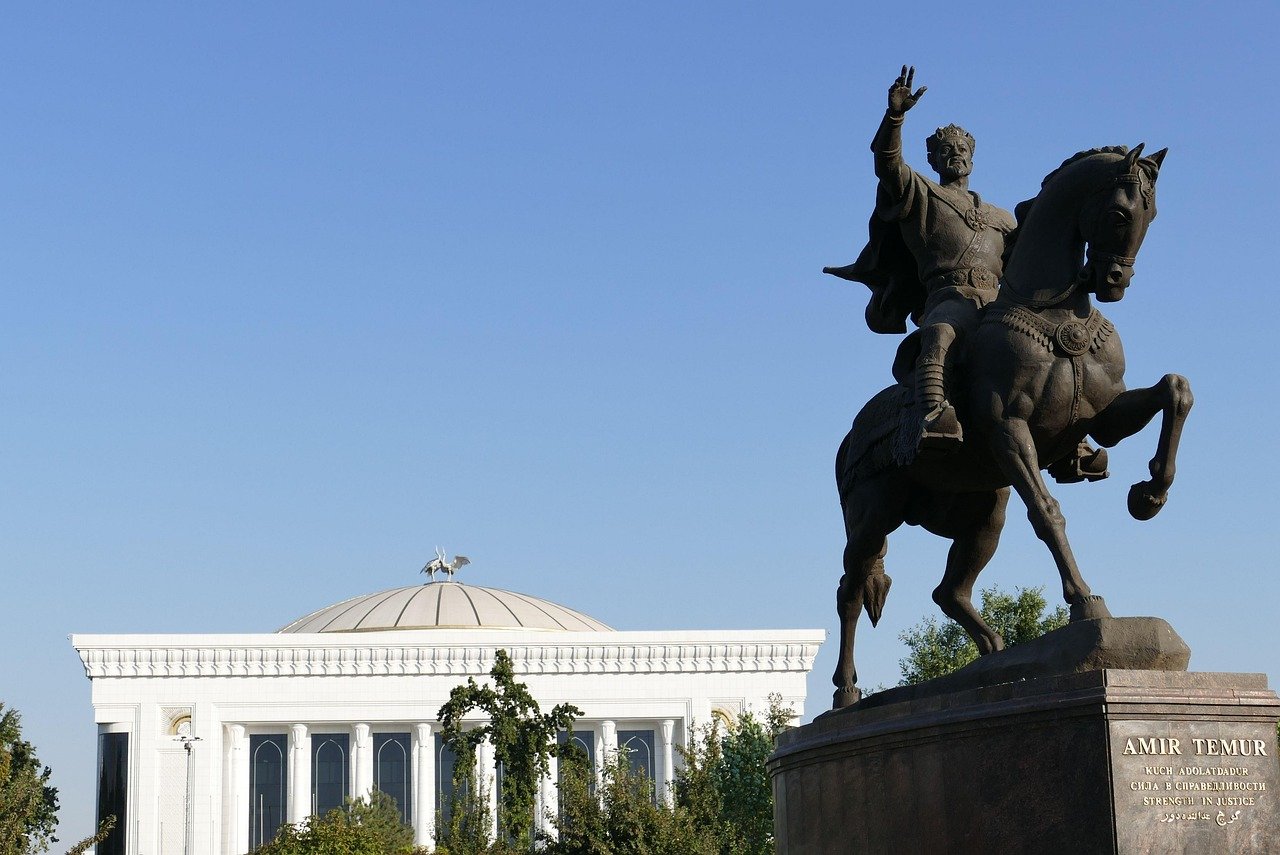
Uzbekistan is one of those destinations where history feels remarkably close. You can walk through centuries-old trading streets, admire turquoise-tiled mosques, explore ancient desert fortresses, and enjoy traditional food in family-run restaurants, sometimes all within the same day. Once an important crossroads along the Silk Road, the country still carries the influence of the merchants, scholars, and travelers who passed through its cities.
For visitors planning a trip to Central Asia, Uzbekistan offers an appealing combination of cultural heritage, welcoming hospitality, manageable travel distances, and memorable architecture. Its famous cities, particularly Samarkand, Bukhara, and Khiva, deserve attention, but there is much more to discover beyond the traditional tourist route.
This Uzbekistan travel guide covers the best places to visit, when to go, transport options, visa considerations, and practical advice for planning a rewarding journey.
Why Visit Uzbekistan?
Uzbekistan was historically positioned along important Silk Road trade routes connecting China, Central Asia, Persia, and the Mediterranean world. Its cities became centers of commerce, architecture, science, and Islamic scholarship.
That history remains visible today. Monumental madrasas, elaborate mausoleums, historic bazaars, and traditional neighborhoods give visitors a sense of how important these urban centers once were.
The country is also relatively convenient for independent travelers. Major tourist cities are connected by railway services, accommodation ranges from modern hotels to traditional guesthouses, and local restaurants offer plenty of opportunities to experience Uzbek cuisine.
Best Places to Visit in Uzbekistan
1. Samarkand: The Jewel of the Silk Road
Samarkand is often the first destination people associate with Uzbekistan. Its architecture is extraordinary, particularly around Registan Square, where three monumental madrasas frame one of Central Asia’s most recognizable public spaces.
Spend time exploring the Gur-e-Amir Mausoleum, the final resting place of Timur, and the enormous Bibi-Khanym Mosque. The Shah-i-Zinda necropolis is another essential stop, with its beautifully decorated mausoleums arranged along a historic passageway.
Allow at least two full days in Samarkand. Visiting major monuments in the morning and returning to Registan Square after sunset creates a more varied experience than trying to see everything in a single afternoon.
2. Bukhara: A City Built Around History
Bukhara has a different atmosphere from Samarkand. Its historic center feels more intimate, with narrow streets, traditional houses, old trading domes, and monuments that sit naturally within the surrounding neighborhood.
Start around Lyabi-Hauz, a historic pool surrounded by architectural landmarks and restaurants. Visit the Kalyan Minaret, the Poi Kalyan complex, and the Ark of Bukhara, a historic fortress that once served as a royal residence.
Bukhara is particularly enjoyable on foot. Give yourself time to explore its smaller lanes, browse handicraft shops, and stop for tea rather than rushing between attractions.
Two days is a comfortable starting point.
3. Khiva: An Open-Air Historical Experience
Khiva is one of Uzbekistan’s most atmospheric destinations. Its walled inner town, Itchan Kala, is a UNESCO World Heritage Site containing mosques, madrasas, minarets, and historic residences.
The Kalta Minor Minaret stands out immediately because of its colorful glazed tiles and distinctive unfinished appearance. Nearby, the Juma Mosque is known for its remarkable collection of wooden columns.
Khiva is compact, making it easy to explore on foot. Staying overnight inside or near the old town is worthwhile because the atmosphere changes considerably once day visitors leave.
4. Tashkent: Modern Life Meets Traditional Culture
The capital, Tashkent, provides a useful contrast to the country’s historic cities. Wide avenues, modern shopping centers, Soviet-era architecture, and traditional markets coexist throughout the city.
Visit Chorsu Bazaar to experience local food and shopping, and explore the beautifully decorated metro stations. The Hazrati Imam Complex is another important cultural attraction.
Tashkent also makes a convenient starting or ending point for an Uzbekistan itinerary because of its international airport and railway connections.
When Is the Best Time to Visit Uzbekistan?
Spring and autumn are generally the most comfortable seasons for sightseeing.
April to May brings pleasant temperatures, blooming gardens, and favorable conditions for exploring historic monuments. September to October is another excellent period, particularly for travelers interested in walking through old cities and visiting outdoor markets.
Summer can be extremely hot, especially in desert areas and cities such as Bukhara and Khiva. If visiting between June and August, plan outdoor sightseeing early in the morning and later in the afternoon.
Winter is quieter and can be cold, but it may suit travelers who prefer fewer visitors and do not mind shorter sightseeing days.
Getting Around Uzbekistan
Uzbekistan’s railway network makes independent travel between major cities relatively straightforward.
The high-speed Afrosiyob train connects Tashkent with Samarkand and Bukhara, making these journeys considerably easier than traveling entirely by road. However, Khiva requires additional planning. Travelers commonly use services to Urgench, followed by a road transfer to Khiva.
Book popular trains ahead of time, especially during spring, autumn, and public holidays. Check schedules through Uzbekistan Railways’ official booking channels because departure times and service availability can change.
Within historic city centers, walking is often the best option. Taxis are useful for longer distances, but agree on the fare beforehand when using informal services or choose a reputable ride-hailing option where available.
Visa Requirements and Safety Tips
Visa requirements depend on nationality, passport type, and current immigration rules. Uzbekistan offers visa-free entry to citizens of various countries, while other nationalities may need an electronic visa or a traditional visa.
Check the official Uzbekistan government e-visa portal and the relevant embassy before making travel arrangements. Do not assume that visa rules for one nationality apply to everyone.
Uzbekistan is a popular destination for cultural tourism, but ordinary travel precautions still matter. Keep valuables secure in crowded markets, use established transport services, and carry identification as required by local regulations.
Before departure, review your government’s latest travel advisory and consult the CDC’s Uzbekistan travel information for relevant health guidance. Travel insurance is also worth arranging before the trip.
What to Eat in Uzbekistan
Uzbek food is an important part of the travel experience. Meals are often generous, and traditional dishes reflect the country’s agricultural heritage and regional influences.
Some dishes worth trying include:
- Plov: A celebrated rice dish cooked with carrots, onions, meat, and spices.
- Samsa: Baked pastry traditionally filled with meat or vegetables.
- Lagman: Hand-pulled noodles served with vegetables and meat.
- Shashlik: Grilled meat skewers commonly served with fresh onions.
- Manti: Steamed dumplings filled with seasoned meat.
Plov is particularly associated with Uzbek hospitality. Try it at a local restaurant or traditional plov center, where it is often prepared in large communal cooking pots.
Practical Tips for Planning Your Trip
A first-time visitor should allow approximately 8–10 days to explore the main Silk Road cities without rushing.
A practical route is:
- Days 1–2: Tashkent
- Days 3–4: Samarkand
- Days 5–6: Bukhara
- Days 7–8: Khiva
- Days 9–10: Return journey and additional sightseeing
Carry some local currency for small purchases, although card payments are accepted at many established hotels and businesses. Learn a few basic Uzbek greetings, dress respectfully when visiting religious sites, and bring comfortable walking shoes for uneven historic streets.
Key Takeaways: Planning an Uzbekistan Holiday
- Visit Samarkand, Bukhara, and Khiva for the country’s most significant Silk Road heritage.
- Include Tashkent to experience modern Uzbek city life.
- Choose spring or autumn for comfortable sightseeing weather.
- Use high-speed trains for convenient connections between major cities.
- Check visa requirements according to your passport nationality.
- Allow enough time to enjoy traditional markets, local food, and historic neighborhoods.
Final Thoughts
Uzbekistan rewards travelers who appreciate history but also enjoy the everyday details of a destination. The grand monuments of Samarkand are unforgettable, yet some of the most enjoyable moments may come from drinking tea in a Bukhara courtyard, watching artisans work in Khiva, or browsing the colorful stalls of a Tashkent market.
The Silk Road cities provide an excellent introduction, but there is no need to treat the country as a checklist of famous monuments. Travel at a comfortable pace, leave room for unexpected discoveries, and take time to appreciate the hospitality that makes Uzbekistan such a memorable destination.