

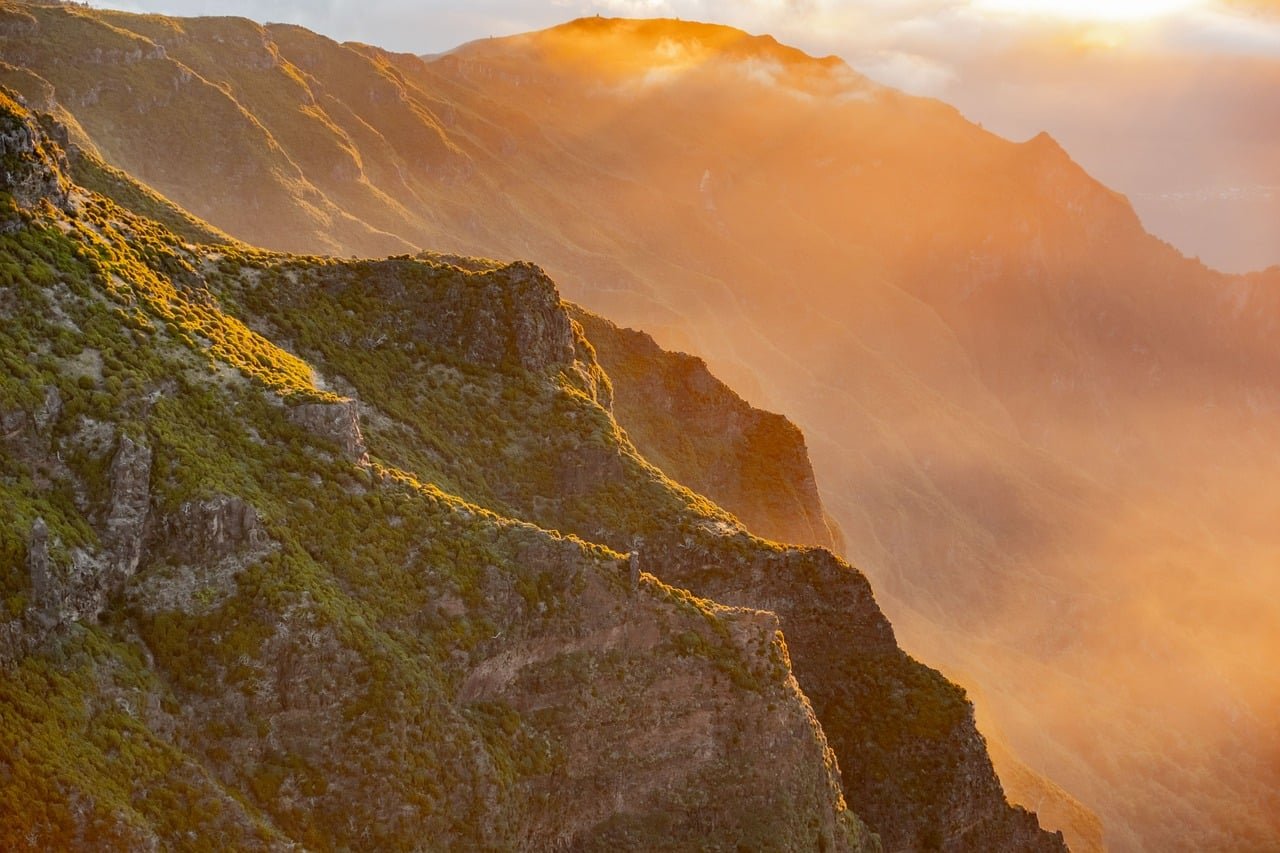
Madeira is one of Europe’s most rewarding island destinations, offering dramatic mountains, volcanic swimming pools, beautiful coastal villages and some of the best walking routes in the Atlantic. Whether you enjoy outdoor adventures, relaxed seaside afternoons or exploring traditional towns, this Portuguese island has plenty to offer.
Its popularity is growing, too. Tripadvisor named Madeira the No. 1 Trending Destination in the World for 2026, based on traveller review data. The island also received the Europe’s Leading Island Destination 2026 award from the World Travel Awards.
If you are planning a visit, this guide covers the best attractions, travel tips and practical itineraries to help you make the most of your holiday.
Where Is Madeira?
Madeira is an autonomous region of Portugal in the North Atlantic Ocean, southwest of mainland Portugal. Its capital, Funchal, is the main centre for accommodation, restaurants and organised excursions.
The archipelago includes Madeira, Porto Santo and several smaller islands. Madeira itself is mountainous, with steep valleys, green forests and a rugged coastline. Porto Santo offers something different: a long sandy beach and a quieter atmosphere.
Best Time to Visit Madeira
Madeira has a mild subtropical climate, making it suitable for travel throughout the year.
- Spring (March–May): Excellent for hiking, gardens and photography.
- Summer (June–August): Ideal for swimming, boat trips and outdoor activities, although visitor numbers are higher.
- Autumn (September–November): A good balance of pleasant weather and fewer summer crowds.
- Winter (December–February): Generally mild, with opportunities for sightseeing and walking, although mountain weather can be unpredictable.
May, June, September and October are particularly attractive months for a first visit.
Best Things to Do in Madeira
1. Explore Funchal
Funchal is the perfect starting point for discovering Madeira. Explore its historic Old Town, visit Mercado dos Lavradores and enjoy the restaurants around the marina.
2. Hike Madeira’s Famous Levadas
Madeira’s levadas are historic irrigation channels that now provide access to some wonderful walking routes.
Popular choices include:
- Levada das 25 Fontes: Known for waterfalls and a beautiful forest setting.
- Levada do Caldeirão Verde: A rewarding walk through lush vegetation and tunnels.
- Vereda dos Balcões: A relatively short walk leading to a spectacular mountain viewpoint.
Choose routes according to your fitness and experience. Carry water, suitable footwear and a torch for tunnels.
2026 hiking update: Classified walking trails require advance reservations through the SIMplifica platform. The standard visitor fee is generally €4.50 per person, with different charges for certain routes and combined passes. Always check current trail availability before travelling.
3. Visit Pico do Arieiro
At approximately 1,818 metres, Pico do Arieiro is one of Madeira’s highest accessible mountain viewpoints. Sunrise visits are especially popular because the peaks sometimes appear above a sea of clouds.
Experienced hikers may also consider routes towards Pico Ruivo, Madeira’s highest mountain. However, check official trail conditions before setting out, as sections can close because of weather or safety concerns.
4. Swim in Porto Moniz Natural Pools
The volcanic swimming pools at Porto Moniz are among Madeira’s most recognisable attractions. Filled naturally with Atlantic seawater, they offer a memorable alternative to conventional beaches.
Nearby Seixal is another worthwhile stop, particularly for its black volcanic sand beach and dramatic green surroundings. Swimming conditions depend on the sea state, so follow local warnings.
5. Discover Ponta de São Lourenço
The eastern peninsula of Ponta de São Lourenço looks very different from Madeira’s green interior. Its rugged volcanic formations, open hills and ocean views make it a favourite for photographers and walkers.
The PR8 trail is popular, but there is little shade along much of the route. Bring sunscreen, water and appropriate footwear.
6. Visit Santana and Fanal Forest
Santana is famous for its traditional triangular houses with colourful façades and thatched roofs. It makes an interesting cultural stop when exploring northeastern Madeira.
Fanal Forest offers another memorable experience. Its ancient laurel trees, open grassland and occasional mountain mist create a distinctive atmosphere.
Best Madeira Travel Itineraries
Three-Day Itinerary
| Day | Activities |
|---|---|
| 1 | Funchal Old Town, Monte Palace and cable car |
| 2 | Pico do Arieiro and Santana |
| 3 | Cabo Girão, Câmara de Lobos and Ponta do Sol |
Five-Day Itinerary
| Day | Activities |
|---|---|
| 1 | Explore Funchal |
| 2 | Visit Pico do Arieiro |
| 3 | Porto Moniz and Seixal |
| 4 | Levada das 25 Fontes |
| 5 | Ponta de São Lourenço and Machico |
Seven-Day Itinerary
Spend the first two days exploring Funchal and Monte. Use the next two days for mountain scenery and levada walks. On day five, explore Fanal, Seixal and Porto Moniz. Visit Santana and São Vicente on day six, then finish with Ponta de São Lourenço and Machico.
Keep your schedule flexible because mountain weather and trail closures can affect outdoor plans.
How to Get Around Madeira
Renting a car is generally the easiest way to explore independently. It provides access to remote viewpoints, villages and hiking starting points.
However, Madeira’s mountain roads can be steep and winding. Drive carefully, allow extra journey time and choose a vehicle you are comfortable handling on hills.
Public buses connect Funchal with several towns, while taxis and organised tours are useful alternatives for visitors who prefer not to drive.
How to Reach Madeira in 2026
Madeira’s main airport is Cristiano Ronaldo Madeira International Airport (FNC), located in Santa Cruz.
There are flights from several European cities, with Lisbon and Porto providing important connections from mainland Portugal. Porto Santo can be reached by air or by ferry from Funchal. The ferry journey takes approximately two and a half hours.
Check flight and ferry schedules before booking connecting journeys.
Where to Stay in Madeira
Funchal is the best base for most first-time visitors because of its accommodation choices, restaurants and transport connections.
Other options include:
- Calheta: Suitable for a quieter coastal holiday.
- Ponta do Sol: Attractive for relaxation and sunny coastal scenery.
- Machico: Convenient for exploring eastern Madeira.
- Porto Moniz: A good choice for northern coastal scenery.
- Santana: Ideal for rural experiences and hiking.
Practical Travel Tips
- Pack walking shoes, sunscreen and a lightweight waterproof jacket.
- Check official hiking reservations and trail conditions.
- Book accommodation and rental cars early during peak season.
- Avoid swimming when local authorities issue warnings.
- Keep alternative sightseeing plans for rainy or windy days.
- Check Portuguese entry and visa requirements before travelling.
- Choose travel insurance that covers your planned outdoor activities.
Key Takeaways
Madeira is an excellent destination for nature lovers, couples, families and adventure travellers. Five to seven days is a good starting point, with spring and autumn offering particularly attractive travel conditions.
Prioritise Funchal, the levadas, Pico do Arieiro, Porto Moniz and Seixal. If you have additional time, consider Porto Santo for its beautiful sandy beach.
Frequently Asked Questions
Is Madeira worth visiting in 2026?
Yes. Its natural attractions, outdoor activities, mild climate and international tourism recognition make it an appealing destination.
How many days are enough for Madeira?
Five to seven days is ideal for exploring the main island. Ten days or more allows time for Porto Santo.
Is Madeira expensive?
Costs vary by season and travel style. Guesthouses, local restaurants and public transport can help keep expenses manageable.
Can you visit Madeira without a car?
Yes. Public buses, taxis and organised excursions are available, although a rental car offers greater flexibility.
Is Madeira good for beaches?
Madeira has natural swimming pools, rocky beaches and some volcanic sand beaches. For a long golden-sand beach, Porto Santo is the better choice.
What is Madeira famous for?
The island is famous for its levada walks, volcanic mountains, laurel forests, natural pools, Madeira wine and dramatic Atlantic coastline.
Madeira is best enjoyed without trying to see everything at once. Give yourself time to explore its villages, enjoy local food and take in the views along the coast. A well-planned week can deliver a memorable mix of adventure, culture and relaxation.
Useful Official Resources
- Visit Madeira: https://visitmadeira.com/
- Official hiking information: https://visitmadeira.com/en/what-to-do/nature-seekers/activities/hiking/
- Hiking reservations: https://simplifica.madeira.gov.pt/
- Madeira airport: https://www.madeiraairport.pt/
- Porto Santo ferry: https://www.portosantoline.pt/
[…] is a strong choice for travellers who enjoy medieval towns, local food and quiet countryside. Consider Perugia, Spello, Spoleto or […]