

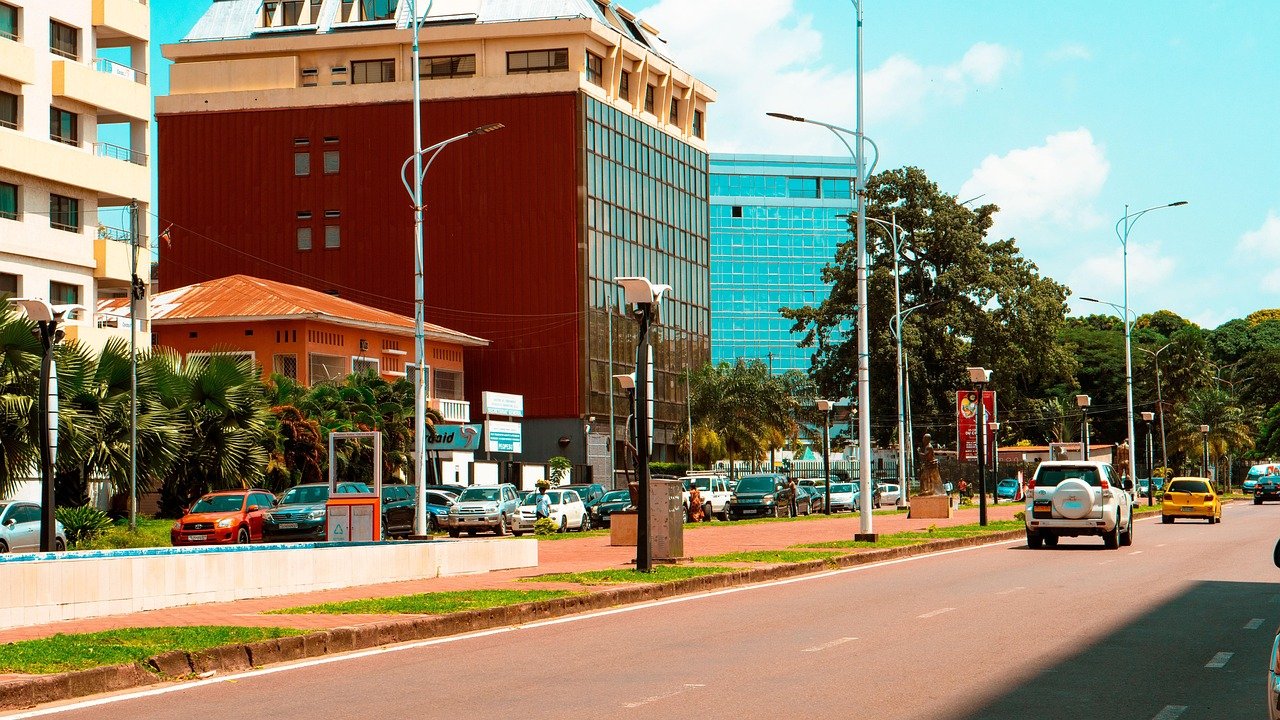
Kinshasa is a city that makes an impression quickly. Located along the Congo River, directly opposite Brazzaville in the Republic of the Congo, the capital of the Democratic Republic of the Congo (DRC) is known for its energetic music scene, busy markets, lively neighborhoods, and distinctive urban culture. It is also one of Africa’s largest cities, so exploring it requires more planning than simply arriving and deciding where to go.
For first-time visitors, the best approach is to build an itinerary around a few manageable areas rather than attempting to cover the entire city in one day. Traffic can be unpredictable, distances are substantial, and some attractions require advance arrangements or a local guide. With thoughtful planning, however, Kinshasa offers an absorbing introduction to Congolese history, art, food, and everyday life.
This guide explains what to see, how to organize your days, when to visit, and what to consider before traveling.
How Many Days Do You Need in Kinshasa?
Two to three full days provide a reasonable introduction to Kinshasa. A shorter visit can cover the central city and a cultural attraction, while three days allow additional time for markets, riverside views, and local experiences.
Do not underestimate travel time. A journey that looks short on a map can take considerably longer during busy periods. Group attractions by neighborhood and avoid scheduling several distant stops on the same afternoon.
The Best 3-Day Kinshasa Itinerary
Day 1: Discover Central Kinshasa and Congolese History
Begin your visit around central Kinshasa, where government buildings, commercial streets, and older parts of the city reveal different sides of its urban character.
Visit the National Museum of the Democratic Republic of the Congo (Musée national de la République démocratique du Congo) to learn about the country’s cultural heritage, traditional craftsmanship, and history. Its collections provide useful context before exploring the wider city.
Continue towards the central market areas, where vendors sell clothing, household products, food, and locally made goods. Markets can be crowded, so keep valuables secure and ask before photographing traders or their products.
In the afternoon, explore the city’s art and music culture. Congolese rumba has a particularly important place in the country’s cultural identity. Kinshasa has produced influential musicians, and live music venues can offer a memorable evening. Choose an established venue, arrange reliable transport, and check current event schedules before heading out.
Day 2: Experience Local Culture, Art, and Riverside Views
Spend the second day exploring Kinshasa beyond its main commercial streets.
Visit Académie des Beaux-Arts, an important institution associated with Congolese visual arts and creative education. Depending on access and opening arrangements, you may be able to discover local artistic work and learn more about the city’s contemporary creative community.
You can also explore the neighborhoods around Gombe, which include hotels, restaurants, offices, and some of the city’s more established visitor facilities.
Later, arrange a visit to a suitable riverside viewpoint. The Congo River is one of the defining geographical features of Kinshasa, and its scale becomes especially apparent when viewed from the city’s riverfront. The opposite bank belongs to Brazzaville, making this one of the world’s most distinctive capital-city settings.
Do not assume that the river can be crossed casually as part of a sightseeing trip. International border procedures, transport arrangements, and entry requirements apply.
Day 3: Explore Local Life and Enjoy Congolese Cuisine
Use your final day for a slower introduction to everyday Kinshasa.
Explore a neighborhood market with a knowledgeable local guide, or arrange a cultural experience that introduces you to traditional crafts and local food. These activities can be more rewarding than rushing between several monuments.
Make time for a traditional Congolese meal. Popular dishes include:
- Poulet à la moambé: Chicken prepared with a rich sauce made from palm nut pulp.
- Saka-saka: Cassava leaves cooked with palm oil and other ingredients.
- Fufu: A staple accompaniment made from cassava or other starchy ingredients.
- Liboke: Fish or other ingredients cooked in leaves, often with aromatic seasonings.
- Pondu: A cassava-leaf preparation commonly served with rice or fufu.
Food preferences and preparation vary between restaurants and households, so ask about ingredients if you have dietary restrictions.
Finish the day with dinner at a reputable restaurant or a planned music performance. Kinshasa’s musical heritage is worth experiencing, but a little advance organization makes evenings considerably easier.
Getting Around Kinshasa
Transport planning deserves particular attention. Kinshasa is geographically large, and congestion can make journeys frustrating, especially during weekday commuting hours.
For visitors, the most practical options include:
- Pre-arranged private transport: Arrange journeys through a reputable hotel or established tour operator.
- Hotel transfers: Particularly useful for airport arrivals and departures.
- Walking: Suitable only for appropriate, familiar areas during daylight and after checking local security conditions.
- Guided excursions: Helpful for cultural visits, markets, and locations where local knowledge is valuable.
Avoid relying on informal street taxis. The UK Foreign, Commonwealth & Development Office specifically warns about robbery risks involving transport and recommends privately arranged journeys.
Best Time to Visit Kinshasa
Kinshasa has a tropical climate with distinct wet and dry seasons.
The dry season generally runs from June to September, making it a more convenient period for outdoor activities. The rainy season typically extends from October to May, although rainfall patterns vary.
If planning outdoor sightseeing, allow flexibility for heavy rain and changing road conditions. Comfortable lightweight clothing, suitable footwear, and insect repellent are useful throughout the year.
Visa, Health, and Important Safety Considerations
Travel preparation is especially important for the Democratic Republic of the Congo. Visa requirements depend on nationality and travel purpose. Check the official DRC immigration and eVisa portal before booking.
Yellow fever vaccination is required for arriving travelers, and the CDC recommends consulting a travel-health professional about malaria prevention and other vaccinations well before departure.
A particularly important warning for 2026: As of November 4, several governments maintain severe travel warnings for the DRC. Australia’s Smartraveller advises against all travel because of security threats and the Ebola public health emergency. The US Department of State also maintains a Level 4 Do Not Travel advisory, while the UK identifies specific areas of Kinshasa where it advises against all but essential travel.
These advisories can change quickly and differ between governments. Nonessential visitors should reconsider travel until the situation improves. Anyone who must travel should consult their own government’s latest guidance, confirm insurance coverage, arrange secure transport, and obtain professional medical advice. Do not assume that Kinshasa is unaffected by wider national security and health developments.
Key Takeaways for First-Time Visitors
- Allow two to three days for a basic introduction to Kinshasa.
- Explore Congolese history through museums, art, and cultural institutions.
- Experience traditional dishes such as moambé, saka-saka, and fufu.
- Plan journeys carefully because traffic and distances can be challenging.
- Arrange private transport rather than relying on informal taxis.
- Check current security, visa, vaccination, and health requirements before departure.
Final Thoughts
Kinshasa has a distinctive cultural identity shaped by Congolese music, art, food, and its extraordinary position beside the Congo River. For travelers interested in understanding Central African urban culture, it offers plenty to explore beyond the usual sightseeing attractions.
The best itinerary is one that leaves room for meaningful cultural experiences while taking local conditions seriously. Keep your plans flexible, seek reliable local guidance, and prioritize safety over the number of places you manage to visit. When travel conditions permit, Kinshasa can provide a fascinating introduction to the DRC and its rich cultural heritage.
Authoritative sources for travel planning:
- UK Foreign Office – DRC travel advice
- US Department of State – DRC travel advisory
- CDC – DRC travel health information
- Australian Smartraveller – DRC