

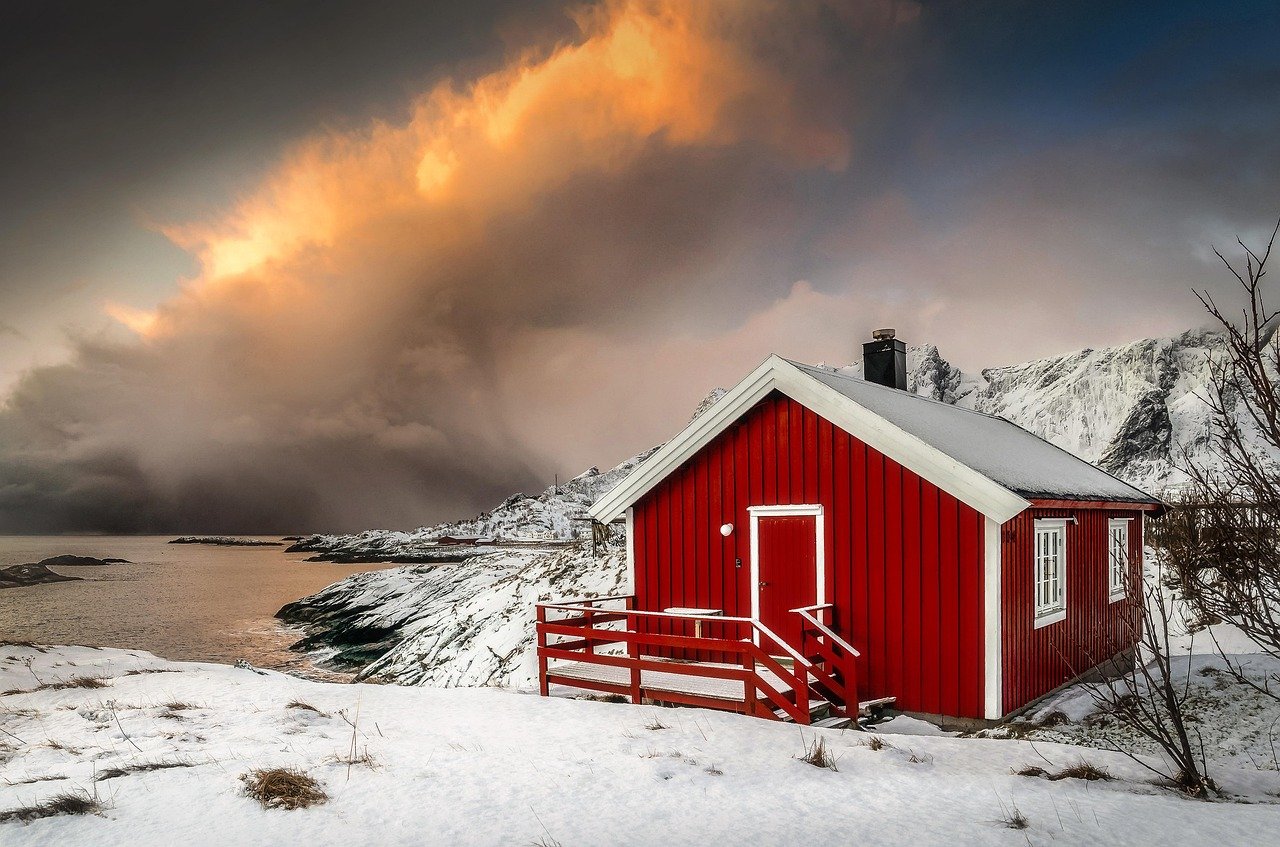
Discover when to visit Norway’s spectacular Lofoten Islands for midnight sun, northern lights, scenic hikes, fishing villages, and unforgettable photography.
The Lofoten Islands are one of Norway’s most extraordinary destinations. Dramatic mountains rise directly from the sea, red fishing cabins sit along quiet harbours, and winding coastal roads connect villages that look almost too beautiful to be real.
But choosing when to visit Lofoten can make a significant difference to your experience. Summer brings the midnight sun, accessible hiking trails, and long days for photography. Winter offers snow-covered peaks, fewer daylight hours, and opportunities to see the northern lights.
There isn’t one perfect month for everyone. The best time depends on what you want to experience, how comfortable you are with changing Arctic weather, and whether you prefer outdoor adventures or quieter winter scenery.
This guide breaks down each season, explains what to expect month by month, and helps you choose the right time for your trip.
When Is the Best Time to Visit Lofoten?
For most first-time visitors, June to August is the best time to visit Lofoten. These months offer long daylight hours, relatively accessible hiking routes, milder temperatures, and excellent opportunities to explore the islands.
However, other seasons have their own appeal:
- June to August: Best for hiking, kayaking, photography, and the midnight sun.
- September to October: Best for autumn colours, quieter villages, and the beginning of northern lights season.
- November to March: Best for winter scenery, snow-covered mountains, and northern lights opportunities.
- April to May: Best for a quieter spring visit, changing coastal scenery, and potentially lower accommodation demand.
Lofoten has a maritime Arctic climate, so temperatures are generally milder than many people expect for its latitude. However, wind, rain, and rapidly changing conditions are common. Even in summer, you should pack warm and waterproof clothing.
Best Time to Visit Lofoten for Different Experiences
Best Time for the Midnight Sun: June and July
One of Lofoten’s most remarkable natural experiences is the midnight sun. During summer, the sun remains above the horizon throughout the night.
Because the islands lie north of the Arctic Circle, this phenomenon typically occurs from late May until around mid-July, with exact dates varying by location.
Imagine hiking towards a viewpoint late in the evening while the surrounding mountains remain illuminated by soft golden light. It is an extraordinary experience, particularly for photographers.
Summer is also an excellent time for kayaking, scenic drives, fishing excursions, and exploring traditional villages.
Good to know: The midnight sun can make sleeping difficult. Accommodation with blackout curtains is particularly useful.
Best Time for Northern Lights: September to March
If seeing the aurora borealis is your main reason for visiting, plan your trip between September and March.
During these months, darkness returns to Lofoten, creating opportunities to see the northern lights when solar activity and weather conditions cooperate.
September and October are particularly attractive because temperatures are generally less severe than in midwinter. Winter, however, offers the possibility of photographing the aurora above snow-covered mountains and fishing villages.
Remember that northern lights are never guaranteed. Cloud cover, light pollution, and solar activity all influence visibility. Staying several nights improves your chances compared with planning around a single evening.
Best Time for Hiking: June to September
Lofoten is famous for its mountain hikes, including routes to Reinebringen, Ryten, and Offersøykammen.
For most visitors, June through September offers the most practical hiking conditions. Trails are generally more accessible, daylight is plentiful, and mountain guesthouses and outdoor services are more active.
July and August are particularly popular, so expect busy trailheads at famous viewpoints.
A useful alternative is early September. You may find fewer visitors while still enjoying reasonable access to many hiking routes.
Always check local trail conditions before setting out. Snow can remain on higher ground, and rain makes steep rocky paths slippery.
Best Time for Photography: September and June
Photographers have good reasons to visit Lofoten in different seasons.
June offers long golden evenings, colourful fishing villages, calm coastal scenes, and the midnight sun. September brings changing vegetation, softer autumn light, and darker skies for aurora photography.
Winter is equally attractive for dramatic images of snow-covered mountains, frozen beaches, and glowing cabins. However, shorter daylight hours require more careful planning.
For a varied photography trip, September is an especially appealing compromise.
Lofoten Weather: What to Expect Throughout the Year
Lofoten’s weather is strongly influenced by the surrounding ocean. Conditions can change quickly, even when the forecast initially looks promising.
Typical seasonal conditions include:
| Season | General conditions | Main attraction |
|---|---|---|
| Spring | Cool, changeable, increasing daylight | Quiet villages and coastal scenery |
| Summer | Mild, long daylight, occasional rain | Hiking and midnight sun |
| Autumn | Cooler, windy, darker evenings | Northern lights and autumn colours |
| Winter | Cold, snowy or rainy, limited daylight | Aurora and winter photography |
These are general patterns, not daily forecasts. Coastal weather can differ considerably between villages and exposed mountain areas.
Lofoten Month-by-Month: When Should You Go?
Here is a closer look at what each month offers.
| Month | What to expect | Best for |
|---|---|---|
| January | Dark days, winter scenery | Aurora photography |
| February | Winter activities and fishing season | Northern lights |
| March | More daylight and snowy peaks | Skiing and photography |
| April | Changing seasons | Quiet sightseeing |
| May | Longer days and spring scenery | Scenic drives |
| June | Midnight sun and hiking | Outdoor adventures |
| July | Warmest period and long days | Beaches and kayaking |
| August | Late summer and early aurora opportunities | Hiking and photography |
| September | Autumn colours and dark skies | Northern lights |
| October | Autumn weather and fewer visitors | Photography |
| November | Darker days and winter conditions | Aurora trips |
| December | Christmas atmosphere and polar-night colours | Winter scenery |
What Should You Pack for Lofoten?
Packing for Lofoten requires more thought than packing for an ordinary summer holiday. Even in July, temperatures can feel cold when the wind picks up beside the ocean.
Bring:
- Waterproof jacket and trousers.
- Comfortable waterproof hiking boots.
- Warm base layers and a fleece.
- Gloves and a hat, particularly outside summer.
- A sleep mask for midnight sun season.
- A headlamp for winter evenings.
- Camera equipment and spare batteries if photography is a priority.
For hiking, check local weather forecasts and trail conditions before leaving. Some popular routes are steep and exposed, and changing weather can make an otherwise manageable walk dangerous.
Where Should You Stay in Lofoten?
Lofoten has several excellent bases, and choosing the right one can save considerable driving time.
Reine is ideal for dramatic mountain views, traditional fishing cabins, and access to southern Lofoten. Svolvær offers more services, restaurants, and organised excursions. Henningsvær is particularly attractive for photography, galleries, and its distinctive harbour setting.
If you are staying for five days or longer, consider splitting your accommodation between the eastern and western islands. This reduces unnecessary driving and gives you more flexibility when the weather changes.
For official accommodation and travel-planning information, consult Visit Lofoten.
Key Takeaways: Choosing the Right Month
- For the midnight sun: Visit between late May and mid-July.
- For northern lights: Plan between late August and early April.
- For hiking: Choose June, July, August, or early September.
- For photography: Consider June, September, or winter.
- For fewer summer crowds: Try May or September.
- For snow-covered scenery: January to March is generally the strongest choice.
The official Visit Lofoten midnight sun guide and northern lights guide provide useful seasonal information.
Final Thoughts
The best time to visit Lofoten depends on the kind of memories you want to bring home. Summer is hard to beat for hiking, coastal exploration, and the extraordinary experience of watching daylight continue long after midnight. Winter offers a completely different atmosphere, with snow-covered peaks, quiet fishing villages, and the possibility of northern lights overhead.
If this is your first visit, June or September would be my recommendation. June gives you long days and excellent opportunities to explore, while September offers a more balanced combination of autumn scenery, darker skies, and outdoor activities.
Whichever month you choose, leave some flexibility in your plans. In Lofoten, the weather sometimes decides the day’s adventure. The most rewarding trips allow room for that.