

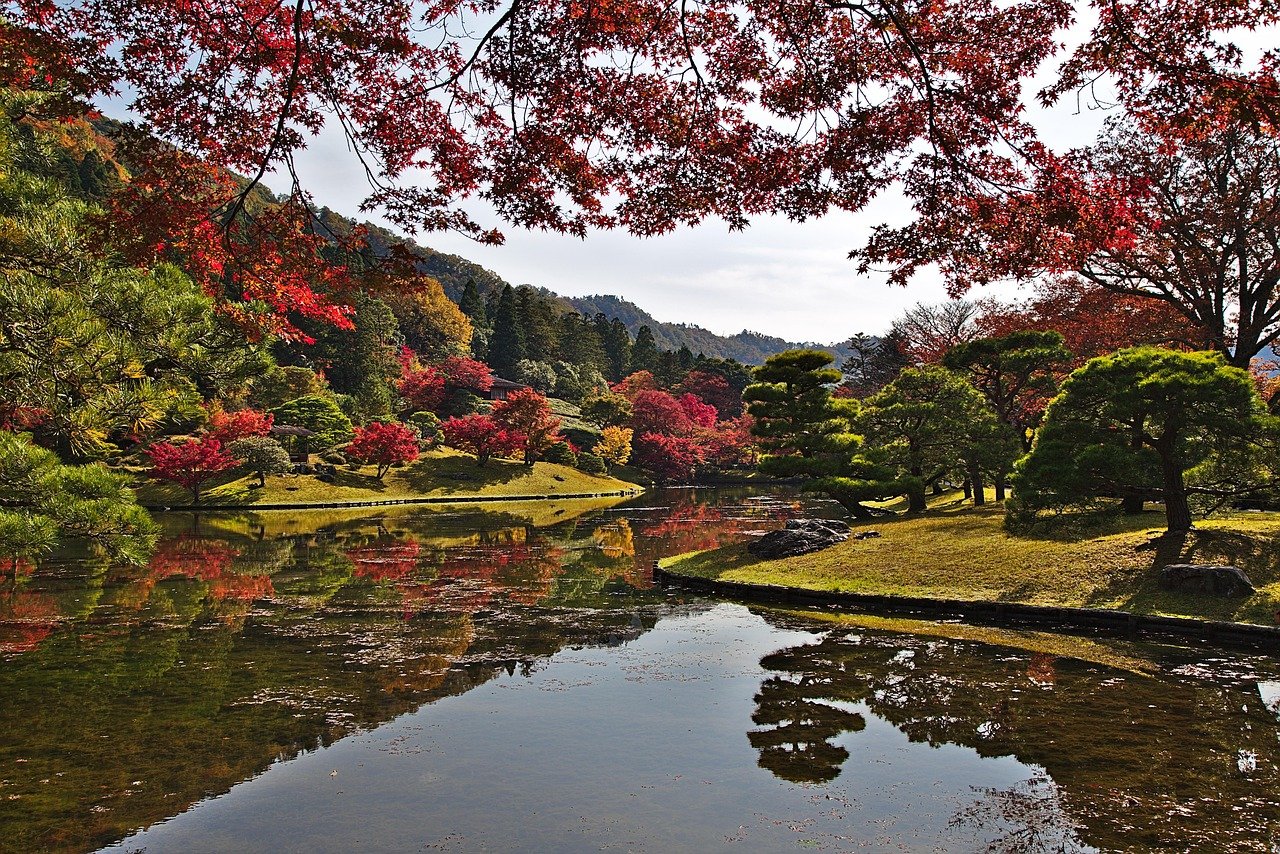
When to visit Kyoto for vivid autumn leaves, which temples deserve a place on your itinerary, and how to enjoy the season without spending the whole day in queues.
Autumn is one of the most beautiful times to visit Kyoto. Temple gardens turn shades of red and gold, maple leaves frame old wooden gates, and hillsides around the city become a patchwork of seasonal color. It is also one of Kyoto’s busiest travel periods.
For 2026, the most useful planning approach is to aim for late November, while keeping your schedule flexible. The exact peak changes from year to year depending on temperatures and weather, and different parts of Kyoto do not change color at the same time. A temple in the hills may reach its best color before a garden in the city center.
This guide covers the likely viewing window, the best places to see the leaves, evening illuminations, and practical ways to avoid the worst crowds.
When Is the Best Time to See Kyoto’s Autumn Leaves in 2026?
The best dates depend on which trees you want to see. Japan Meteorological Corporation’s October 1 forecast gives Kyoto’s yellow ginkgo foliage a viewing date of November 27, while its red maple forecast is December 11. These are city-level forecast dates, not guarantees that every temple will peak on the same day. Individual locations can change earlier or later depending on elevation, tree varieties, and local weather.
For practical trip planning, use these broad windows:
| Period | What to expect |
|---|---|
| Early to mid-November | Earlier color in higher or northern areas, including Takao and Ohara |
| November 15–25 | Strong potential for color at central Kyoto temples such as Tofuku-ji |
| November 25–December 6 | A useful window for Arashiyama, Kiyomizu-dera, and Eikando |
| December 7–mid-December | Some later red maple color may remain, but conditions vary |
The Kyoto City official autumn calendar began its 2026 updates on October 30. Check it shortly before your visit rather than relying on a forecast published weeks in advance. Kyoto’s 2026 Autumn Leaves Calendar.
The Best Temples and Areas for Autumn Colors
1. Tofuku-ji Temple
Tofuku-ji is one of Kyoto’s signature autumn destinations. Its famous Tsutenkyo Bridge looks across a valley filled with maple trees, creating a striking view when the foliage turns red and orange.
The temple is usually at its best in the second half of November. It is also extremely popular, so arrive near opening time if you want a more relaxed visit. The bridge viewpoint can become congested during the busiest hours.
2. Kiyomizu-dera
Kiyomizu-dera is worth visiting for its elevated wooden terrace and sweeping views over the surrounding trees and city. The autumn colors are particularly beautiful around the temple’s wooded slopes.
It is a major attraction throughout the year, not just during foliage season. If you prefer quieter surroundings, visit early in the morning. For an evening experience, its 2026 autumn illumination is scheduled for November 21–30, with details worth checking before setting out.
3. Eikando Temple
Eikando is particularly famous for its maple trees, which surround the temple buildings and pond. Reflections in the water add another dimension to the autumn scenery.
It is a strong choice for late-November visits. The announced 2026 nighttime viewing period is November 20–December 6. Expect crowds during popular evening hours, so consider visiting during the day if photography and a slower walk are your priorities.
4. Arashiyama
Arashiyama offers a different kind of autumn scenery. Instead of focusing on one temple garden, you get wooded mountains, riverside views, traditional streets, and several temples within the wider district.
Walk around Togetsukyo Bridge, then explore temple grounds such as Tenryu-ji or Jojakko-ji. Late November into early December is generally a good period, although the exact timing changes each year.
5. Takao and Ohara
If the central temples feel too busy, consider heading north. Takao and Ohara often see autumn colors earlier because of their cooler, higher surroundings. Jingo-ji in Takao and Sanzen-in in Ohara are especially appealing for visitors who enjoy temple gardens and a quieter rural atmosphere.
Allow extra travel time. These areas are not as convenient to reach as central Kyoto, but the change of scenery can make the journey worthwhile.
2026 Autumn Night Illuminations Worth Planning Around
Evening illuminations give visitors a chance to see maple trees and temple buildings under carefully arranged lighting. They can be beautiful, but they are also popular and may involve queues.
Two dates to keep in mind are:
- Eikando: November 20–December 6, 2026.
- Kiyomizu-dera: November 21–30, 2026.
Check the temple’s own announcement for entry times, admission prices, and any changes before visiting. Kyoto’s official tourism association has also published a dedicated 2026 autumn illumination guide.
How to Avoid the Worst Autumn Crowds
Kyoto’s autumn foliage season is one of its busiest periods. The city’s tourism information center identifies mid-November to early December as a particularly crowded time. A little planning makes a noticeable difference.
Visit popular temples early
Aim to reach major sites close to opening time. Tofuku-ji and Kiyomizu-dera are especially busy, so avoid leaving them until the middle of the day if you can.
Group attractions by area
Don’t cross the city repeatedly to tick off individual temples. Combine Tofuku-ji with nearby southeastern Kyoto sights, or spend a full morning exploring Arashiyama. This saves travel time and reduces the temptation to rush.
Use trains and subways where practical
Road traffic can slow buses during peak foliage season. Kyoto’s official autumn travel guidance recommends checking transport options and using its digital maps, which provide information about crowd levels and foliage conditions. See Kyoto Smart Navi and seasonal travel advice.
Choose weekdays when possible
Weekends and public holidays tend to attract heavier visitor numbers. If your dates are flexible, plan the most famous temples for weekdays and use weekends for less-central areas.
Be considerate in residential streets
Avoid blocking narrow pavements, entering private property for photographs, or stopping in the middle of busy roads. Kyoto is a living city, not simply a collection of scenic backdrops.
A Simple Three-Day Kyoto Autumn Itinerary
Day 1 – Southeastern Kyoto: Visit Tofuku-ji early, then explore the Kiyomizu-dera area and nearby historic streets.
Day 2 – Arashiyama: Spend the morning around Togetsukyo Bridge and Tenryu-ji. Leave time for a slower walk through the district rather than trying to visit every attraction.
Day 3 – Northern Kyoto or central gardens: Choose Takao or Ohara for earlier foliage and a quieter atmosphere. Alternatively, visit Eikando and nearby Nanzen-ji if you prefer to stay within the city.
Check the latest foliage reports before deciding which area gets your third day.
What to Pack for Kyoto in Late Autumn
November and early December can feel cool, particularly in the morning and after sunset. Pack layers rather than relying on one heavy coat.
Useful items include:
- A warm jacket or coat.
- Comfortable walking shoes with good grip.
- A light scarf and extra layer for evenings.
- A compact umbrella or rain jacket.
- A portable battery for maps and photographs.
Temple visits often involve steps, uneven paths, and stretches of walking. Comfortable footwear is more useful than dressing solely for photographs.
Key Takeaways
- Late November to early December is the broadest planning window for Kyoto’s famous autumn scenery.
- The 2026 JMC forecast places yellow ginkgo color around November 27 and red maple color around December 11 at city level.
- Tofuku-ji is a standout for its maple-filled valley, while Eikando and Kiyomizu-dera are excellent for temple scenery.
- Arashiyama combines mountain views, riverside walks, and temple visits.
- Takao and Ohara can offer earlier foliage and a change of pace.
- Early starts, weekday visits, and checking live foliage updates can make sightseeing easier.
Kyoto’s autumn beauty is not limited to one perfect day. Some gardens look best when the leaves are just turning, while others become more striking as the branches reach full color. Build flexibility into your plans, choose a few places you genuinely want to experience, and leave room to enjoy the quieter moments between the famous viewpoints.
Useful live planning resources
Kyoto 2026 Autumn Leaves Calendar · Japan Meteorological Corporation foliage forecast · Kyoto autumn sightseeing and crowd advice.
[…] offers a very different kind of festive escape. Instead of tropical weather, expect crisp autumn days, colorful gardens, excellent public transport, and neighborhoods with very different […]