

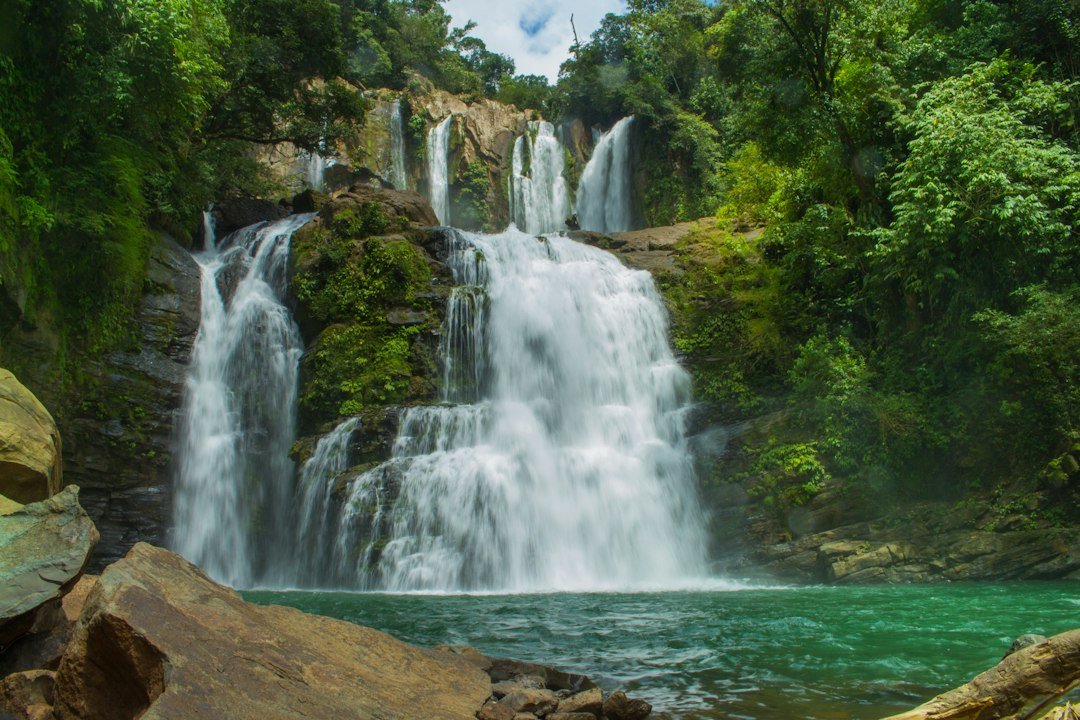
Costa Rica is a year-round travel destination, but the experience can change dramatically depending on when you visit. One month might bring sunny mornings, dry hiking trails, and busy beach towns, while another offers lush rainforests, powerful waterfalls, and fewer tourists. Choosing the right travel dates can make a noticeable difference to your trip.
The best time to visit Costa Rica depends on your priorities. If you want reliable sunshine and easier beach days, the dry season is usually the better choice. If you prefer greener scenery, quieter attractions, and potentially better accommodation prices, the green season deserves serious consideration. Understanding regional weather patterns is equally important because Costa Rica does not follow one uniform climate throughout the country.
Understanding Costa Rica’s Two Main Seasons
Costa Rica generally has two main seasons the dry season and the green season. Their timing varies slightly depending on location, elevation, and local weather conditions.
Dry Season: December to April
The dry season, commonly called verano (summer), runs approximately from December through April across much of the Pacific side of the country.
During these months, visitors can generally expect:
- More sunshine and fewer prolonged rain showers.
- Drier roads and hiking trails in many popular destinations.
- Excellent conditions for beach holidays and outdoor activities.
- Higher accommodation prices during busy travel periods.
January, February, and March are particularly popular with international visitors. December also attracts holiday travelers, especially around Christmas and New Year.
The main disadvantage is that popular destinations can become crowded. Hotels, rental cars and guided tours may need to be booked well in advance.
Green Season: May to November
The green season, often called invierno (winter), brings more frequent rainfall to much of Costa Rica. However, this does not mean it rains continuously throughout the day.
Many locations experience sunny mornings followed by afternoon showers. Rainfall can be heavier during September and October on the Pacific coast.
This season has several advantages:
- Rainforests become especially vibrant and green.
- Waterfalls and rivers often have stronger flows.
- Tourist crowds are generally smaller.
- Accommodation and tour prices may be more attractive.
- Wildlife photography can benefit from beautiful natural surroundings.
May, June, July, and August can be particularly appealing for travelers who want a balance between manageable weather and fewer crowds.
Weather Differences Across Costa Rica
One common mistake is assuming that the entire country experiences identical weather. Costa Rica has several climate zones, and regional differences can affect your itinerary.
Pacific Coast and Guanacaste
The Pacific coast, including Guanacaste, Tamarindo, and Manuel Antonio, generally has a pronounced dry season.
December through April is ideal for sunny beach holidays. During the green season, afternoon rain becomes more common, while September and October are often among the wettest months.
Guanacaste can become particularly dry toward the end of the dry season, so travelers should not expect rainforest-style greenery everywhere.
Caribbean Coast
The Caribbean coast follows a different rainfall pattern. Destinations such as Puerto Viejo and Tortuguero can experience substantial rainfall throughout the year.
September and October are often relatively drier months on this side of the country, even when the Pacific coast is experiencing heavy rain.
This makes the Caribbean an interesting alternative for travelers visiting during the Pacific’s wetter months.
Central Valley and Arenal
San José and the Central Valley generally enjoy moderate temperatures because of their elevation. The dry season is usually sunnier, while the green season brings regular showers.
Around Arenal and La Fortuna, rain is possible throughout the year. Cloud cover can sometimes hide the volcano, so staying for two or three nights gives you a better chance of enjoying clear views and outdoor activities.
Best Time to Visit Costa Rica for Wildlife
Wildlife experiences are not limited to one season, but certain months offer particularly rewarding opportunities.
- Sea turtles: Tortuguero is famous for green sea turtle nesting, generally from July to October. Leatherback turtles nest on some Pacific beaches, particularly during the February-to-July period.
- Whale watching: Humpback whales visit Pacific waters during two main periods, broadly December to March and July to November.
- Birdwatching: Migratory birds and resident tropical species make Costa Rica rewarding throughout the year.
- Sloths and monkeys: These animals can be spotted in suitable habitats year-round, although sightings are never guaranteed.
Visitors interested in turtle nesting should follow local conservation rules and book responsible guided experiences rather than approaching wildlife independently.
When Are Crowds and Travel Costs Lowest?
December through April is generally the busiest period, particularly around Christmas, New Year, and Easter. Popular beach destinations can fill quickly, and rental car availability may become limited.
The green season often provides better value. May, June, September, and October can be attractive for budget-conscious visitors, although local conditions and destination popularity still influence prices.
July is worth mentioning separately. It can bring a temporary reduction in rainfall on parts of the Pacific coast, commonly known as the veranillo or little summer. However, this is not guaranteed every year.
For a more comfortable experience, consider traveling in late April, May, or early December. These shoulder periods can offer a useful compromise between weather, prices, and visitor numbers.
Choosing the Right Month for Your Trip
| Travel period | Best for | Main consideration |
|---|---|---|
| December–February | Beaches, hiking, sunshine | High demand |
| March–April | Pacific coast holidays | Heat and dry conditions |
| May–June | Green scenery and value | Afternoon showers |
| July–August | Wildlife and mixed-weather trips | Variable rainfall |
| September–October | Caribbean coast and fewer crowds | Heavy Pacific rainfall |
| November | Shoulder-season travel | Changing weather |
Practical Tips Before Booking
A little preparation can prevent common travel frustrations.
- Build flexibility into your itinerary. Avoid scheduling every outdoor activity for one afternoon. Rain can change plans quickly.
- Choose destinations according to the season. The Caribbean coast may be a better option during some months when the Pacific is particularly wet.
- Check road conditions. Heavy rain can affect rural roads, river crossings, and access to remote lodges. A suitable vehicle and local advice can make a significant difference.
- Pack appropriately. Lightweight clothing, waterproof footwear, a compact rain jacket, and insect repellent are useful throughout the year.
- Book popular experiences early. Turtle tours, national park visits, and sought-after accommodation can have limited availability even outside peak season.
Before traveling, consult Costa Rica’s official tourism information and check the CDC’s country-specific travel guidance for current health recommendations.
Key Takeaways: When Should You Visit Costa Rica?
The dry season, from December to April, is generally best for travelers who prioritize sunshine, Pacific beaches, and predictable outdoor conditions. The green season, from May to November, is better suited to visitors who appreciate lush scenery, fewer crowds, and potentially lower travel costs.
There is no single perfect month for every traveler. Costa Rica rewards visitors who plan around regional weather rather than relying on a simple dry-versus-wet-season comparison.
If sunny beach days are your priority, choose January or February. If you want beautiful green scenery without the busiest holiday crowds, consider May or June. For a Caribbean-focused adventure, September and October may be surprisingly appealing.
The smartest time to visit is ultimately the one that matches your destinations, budget, and preferred travel experience.
[…] route works best with a rental car and some flexibility around weather conditions. Costa Rican roads can be slower than they look on a map, particularly in mountainous […]